
Home / Bathroom Guides / Retile or Renovate
DECISION AID · THE TILE AND WHAT SITS BELOW IT
New tiles over a tired bathroom can look like the simple answer, and sometimes they are. Whether a retile holds up depends on what the tiles are fixed to: the existing substrate, its condition and the system the new tiles will go onto. This guide sets out when a retile may be enough, when a broader renovation is the better option, and why part of the answer only shows once the old tiles are off.
By Ivan Bodnar, Bathroom Renovation Specialist, Melbourne

TILE LAYER · FIRST LOOK
01 Tiles that sound hollow when tapped, or move when pressed.
02 Grout that is cracking, missing or keeps failing in the same place.
03 Staining, swelling or damp marks near the shower, bath or floor edges.
04 Whether the layout, fixtures and storage still suit how you use the room.
05 Whether you want anything behind the walls changed, such as fixture positions.
These are prompts, not a diagnosis. Existing conditions are confirmed at an on-site assessment. For a fuller list, see signs your bathroom needs renovating.
THREE HONEST ANSWERS
Tiling suitability depends on the existing substrate and the system proposed. That decides most retile questions.
A RETILE MAY BE ENOUGH
When the wear is on the surface: dated or chipped tiles, tired grout. The walls and floor underneath are sound and flat, there are no signs of moisture and the layout still works for you.
IT DEPENDS
Tiling over existing tiles, or replacing only one wall or the floor. This can suit some bathrooms. It depends on how well the existing surface is bonded and whether the proposed adhesive and tile system suits it.
A BROADER RENOVATION SUITS BETTER
When tiles are lifting across an area, there are signs of moisture, the sheeting behind is damaged, or the room no longer meets your needs. New tiles on a failing base usually just repeat the problem. See bathroom renovations.
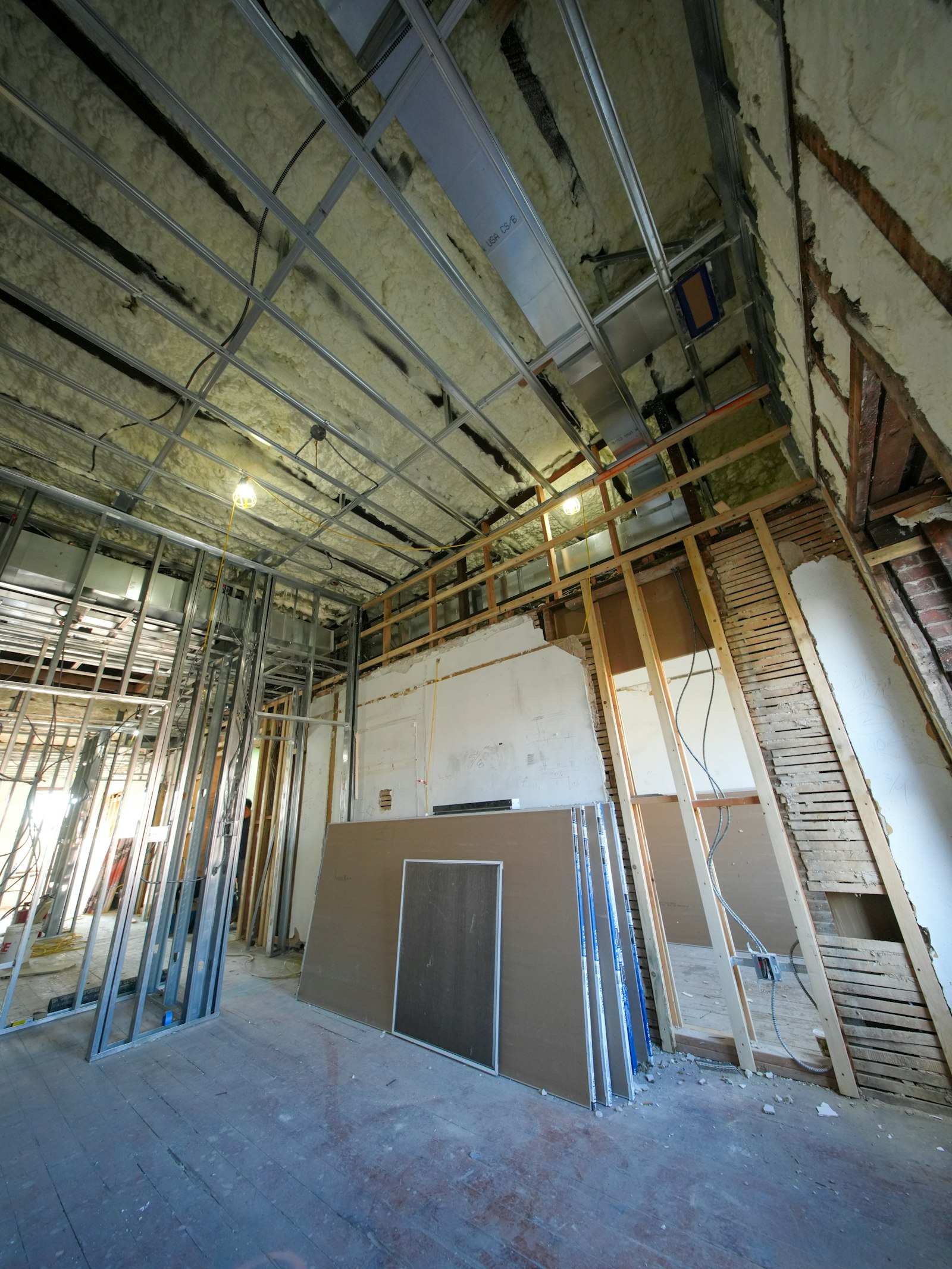
BEHIND THE TILE · CONCEALED CONDITIONS
A tiled surface hides its own history: old adhesive, the condition of the sheeting or render, past moisture and the state of the waterproofing. Some of this can be judged before work starts. Some of it can’t. Existing conditions and concealed issues can change the scope after work begins, so Ivan explains what he can assess, what remains uncertain and why.
If the work turns out to need regulated plumbing or electrical work, appropriately licensed specialists carry out that part. Ivan may coordinate their involvement. Read more about working with licensed specialists.
DECISION SEQUENCE
Cracked grout on a sound wall is a surface issue. Grout that keeps cracking, or tiles that keep lifting, often points to movement or moisture behind the tile.
New tiles change how a bathroom looks, not how it is laid out. If the shower, vanity or storage no longer suits you, a retile won’t fix that.
If larger work is likely in a few years, tiling now may mean removing new tiles later. Talk about the timing before choosing.
Ivan explains what has been found and what it means for the scope before the work goes further. The cost side is covered in understanding bathroom renovation costs.
RELATED READING
Not sure which side of the line your bathroom sits on? Ivan can look at it in person and quote on what he finds.