
Home / Bathroom Guides / Signs to Renovate
FIELD GUIDE · EXISTING CONDITIONS
Most homeowners know something is wrong before they can say what it is. The grout looks tired, a tile has cracked, the room just doesn’t work any more. This guide reads those signs in plain terms: what each one may point to, and when it is worth having someone look properly.
By Ivan Bodnar, Bathroom Renovation Specialist, Melbourne

01–06
Six things homeowners notice, in the words they usually use.
A single cracked tile can come from a dropped object. Cracks that run across several tiles, or line up with each other, can suggest movement in the surface behind them. The tile is the symptom; the question is what it is fixed to.
Crumbling, missing or permanently stained grout is common in older bathrooms. Sometimes it is wear alone. Around the shower and floor, gaps in grout leave the layers underneath more exposed to water.
Tapping that sounds hollow, or tiles that rock underfoot, usually means the bond to the adhesive or substrate has let go in places. Whether you can re-fix a few or need to strip back depends on why it happened.
Dull surfaces, chipped edges and dated finishes may be cosmetic. If the room is otherwise sound, an update may be enough. See Is a Retile Enough?
Staining on nearby walls, swollen skirting or a persistent smell can point to moisture getting where it shouldn’t. That needs looking into before any new finish goes on.
Not every reason is deterioration. A bathroom can be in fair condition and still not suit the way your household uses it now: storage, access, or how the space is laid out.
The visible finish is only one part of a bathroom. Reading a sign well means thinking about what sits behind it.
SEEN FROM THE ROOM
Tiles, grout, edges, marks and the layout. This is what you notice day to day, and what can be assessed without opening anything up.
FOUND WHEN OPENED UP
The substrate, sheeting and older layers behind the tiles. Existing conditions and concealed issues can change the scope after work begins. More on this in surface preparation.
DECIDED ON SITE
At an on-site assessment, Ivan explains what he can see, what stays uncertain until work starts, and why.
LICENSED SPECIALIST TERRITORY
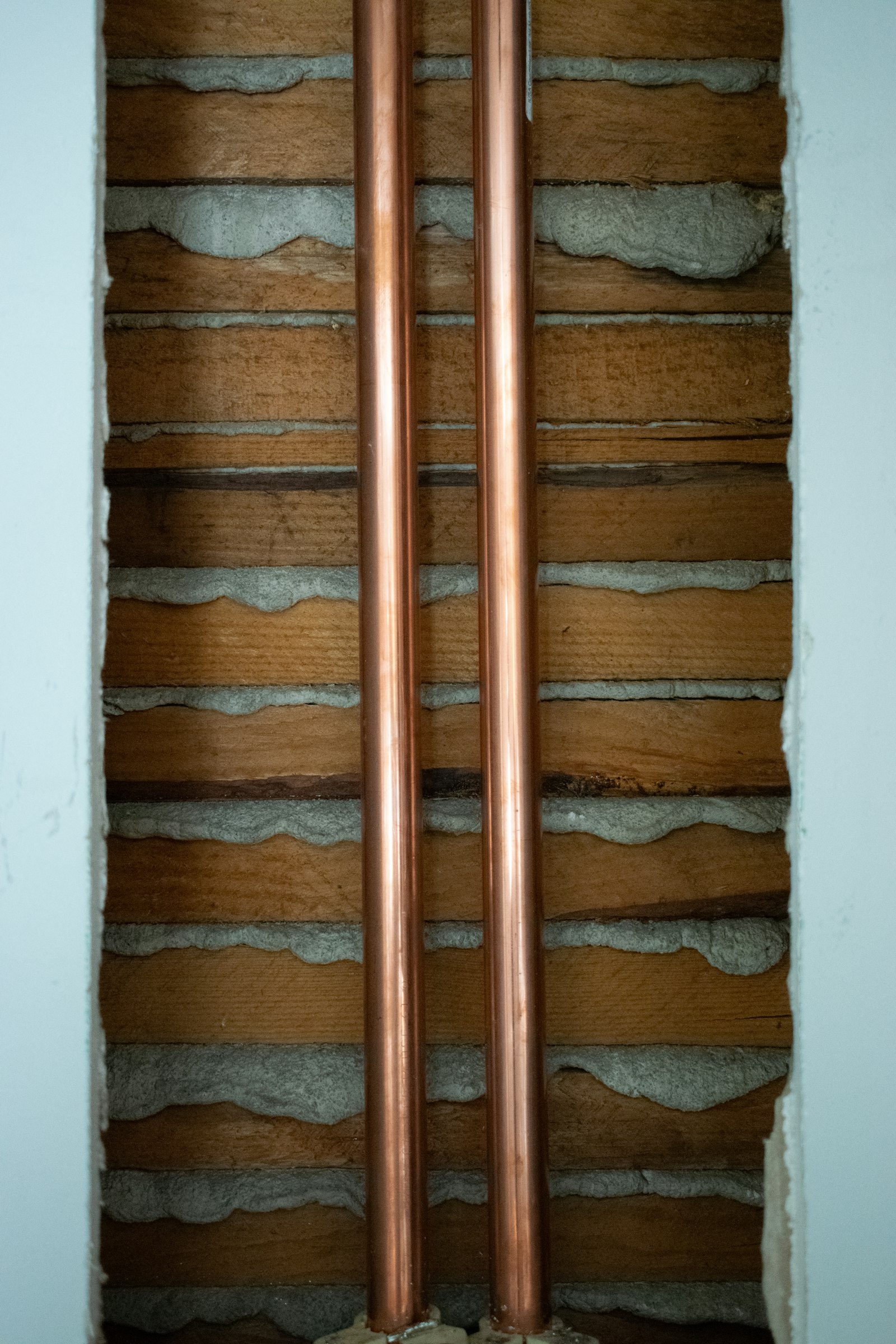
Signs like ongoing moisture or water marks outside the shower can involve pipework or the waterproofing layer. Ivan does not personally carry out regulated plumbing, electrical or other licensed work. Where a renovation includes it, appropriately licensed specialists do that part, and Ivan may coordinate their involvement.
It is worth getting in touch when a sign keeps coming back, spreads, or you can’t tell whether it is cosmetic. Before you do, it helps to note:
Ivan works across Caulfield and surrounding Melbourne suburbs. This is not an emergency repair service, and a quote follows an assessment of the property.